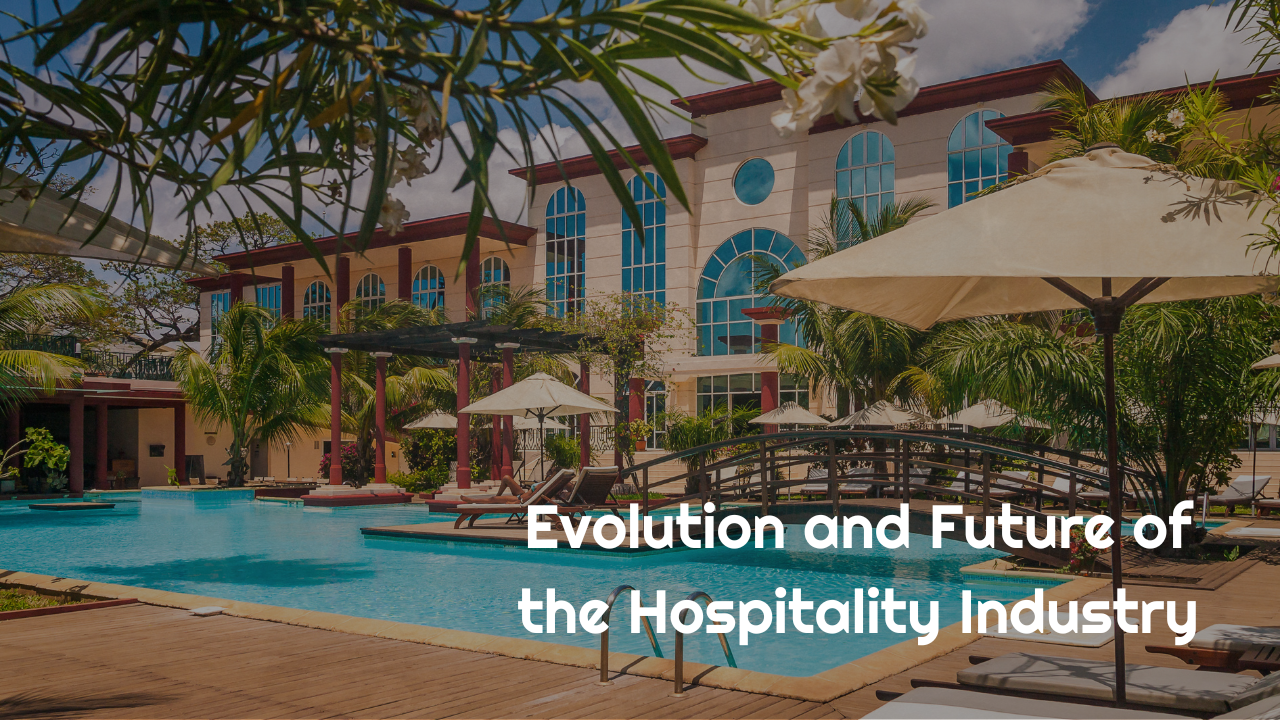
The hospitality industry is a dynamic and exciting sector that represents the hotel, restaurant, travel, and tourist industries. From inns and guesthouses, the early rudiments of this industry, to luxury resorts, boutique hotels, and international travel chains of today, it is a critical link in the world economy. This paper makes an attempt at analyzing the evolution of the hospitality sector, the challenges posed to it, and trends that will shape its future.
A Brief History of Hospitality
Hospitality is as old as human civilization, whereby a traveling man would be offered shelter and food in exchange for trade or services. The Greeks and Romans institutionalized the first inns along major trading routes, while during the Middle Ages, monasteries began opening their doors to provide lodging for pilgrims. It was in the Renaissance period that the modern age of hospitality began with the introduction of the first luxury hotels in the major European cities.
The 20th century brought air travel to the business and accelerated international tourism and the growth of hotel chains such as Hilton, Marriott, and InterContinental. It is also during this period that standardized services and loyalty programs first appeared, and tourism began to assert itself as one of the prime movers of economic activity.
Current Trends and Challenges
Today, it is a multi-faceted international business whose value to the world economy runs into trillions and whose workforce amounts to millions. It isn’t free of issues, though:
- Technological Disruption: Digital disruption has changed how hospitality business is done. Online booking platforms, mobile apps, and artificial intelligence are rewriting customer experiences. The growth of online travel agents like Airbnb has created competition, disintermediation, and stepped up pressure on traditional hotels to catch up and stay relevant.
- Sustainability: Because of the increase in awareness, this has become the most critical aspect. The consumers are increasingly demanding sustainable tourism practices, including waste reduction, conserving energy, and building local communities. As such, most hotels and different resorts currently invest in green technologies and adopt various practices that make their operations friendly to the environment.
- Changing Consumer Preferences: An advanced traveler today seeks to experience things that are unique and can be tailored-made, not standardized. This is how boutique hotels, experiential travel, and wellness tourism have found a niche. This has responded with bespoke services, local cultural experiences, and wellness programmes.
- Economic Fluctuations and Geopolitical Uncertainty: Hospitality is one of the most susceptible businesses to the rhythm of economic cycles and geopolitics. Recessions, political instability, pandemics—all of these could have a deep effect on travel demand. In that sense, COVID-19 became a worst-case scenario for the business with wide closures and mass layoffs.
- Labor Shortages: Sectoral labor shortages are further exacerbated by the pandemic. Many workers have quit the sector, and service quality is getting tough to maintain. Companies wrestle with solutions, such as raising wages, improving work conditions, or turning to automation to fill the gaps.
The Future of Hospitality
Following some very testing times for the hospitality industry, here are trends that will define its future:
- Technology will maintain its role at the core of digital transformation, with AI-powered personal concierge services, virtual reality tours of properties, and contactless check-in procedures becoming the standard. Innovations in big data analytics will further increase the potential for the creation of highly personalized experiences, while blockchain technology may eventually change the face of booking and payment processes forever.
- Sustainable and Regenerative Tourism: Increasingly, businesses will begin to key into the adoption of regenerative practices that are restorative and enhancing of ecosystems. This increase in eco-tourism and sustainable travel is going to drive demand for property in locations where serious regard for the environment and social responsibilities exists.
- Health and wellness: The global wellness industry is booming, and hospitality is right at the head of the table. Much more wellness-centered experiences will be delivered not just at hotels and resorts—including spa retreats to mental health programs—but in the wellness integration into all aspects of travel.
- Diverse and Inclusive Offerings: Society is diversifying, and so the hospitality sector has to respond to such diversity by meeting these various needs and preferences of people. This goes hand-in-glove with catering to cultural practices, dietary restrictions, and access limitations; it will be among the major drivers for attracting and maintaining customers.
- Remote Work and Bleisure Travel: The rise of remote work has blurred the lines between business and leisure travel and is creating a larger-than-ever push behind the “bleisure” phenomenon. Certainly, the hotels are inculcating facilities that are more oriented toward being amenable to work, such as offering high-speed internet, business spaces, and wellness programs that appeal to this changing sector of the market: digital nomads and remote workers.
Conclusion:
The hospitality industry is standing at a crossroads—with looming challenges, but also opportunities. Embracing technology, making the industry more sustainable, and changing with the changing tastes of the consumer can help ride out the storm and emerge stronger. Fully connected and conscious, the hospitality sector has the potential to become the benchmark for a more sustainable, diverse, and innovative future of global travels.