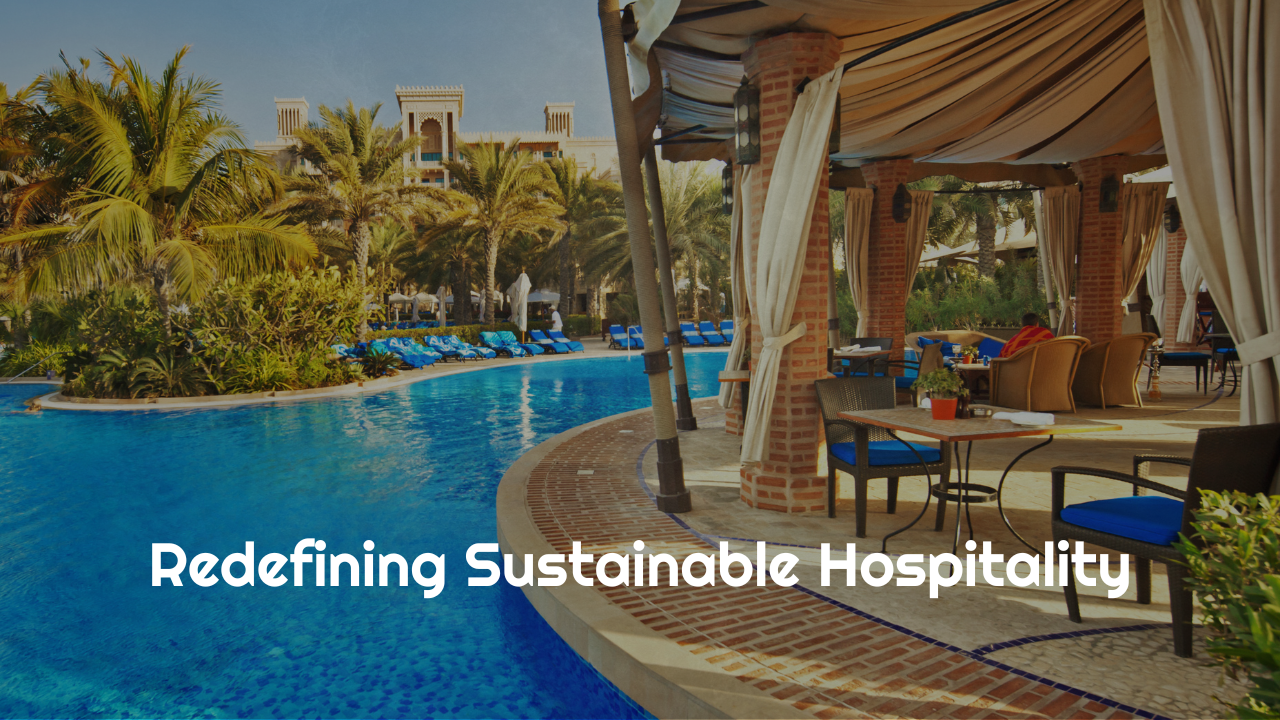
Demand for sustainable travel solutions in the hotel industry has risen over the past few years, hence driving the creation of a new market segment: eco-luxury hotels. This innovative combination of environmental awareness and high-end hospitality is revolutionizing the concept of luxury itself by appealing to travelers who seek comfort without compromising on sustainability. The following paper considers the definition of eco-luxury hotels, the drivers behind their growth, and the effect they are having on the hospitality industry as a whole.
Definition of Eco-Luxury Hotels
Eco-luxury hotels are facilities that integrate the concept of sustainable development with the service and amenities expected from a luxury hotel. This sort of entity goes beyond the minimum requirements to be regarded as eco-friendly, entailing sustainability in each area of their operation with an additional task of making sure the guests have a great experience.
Principal characteristics of eco-luxury hotels include:
- Sustainable Architecture and Design: The majority of eco-luxury hotels are built using sustainable materials, providing the best of comfort while achieving sustainability. This would pertain to the use of reclaimed wood, locally quarried stone, and energy-efficient construction methods. Integrating biophilic design in most of these hotels, another trend likely to be noticed would be focusing on a relationship with nature. This can include green walls, natural light, and interior gardens.
- Energy and Water Efficiency: Energy and water are seriously considered in such hotels. They implement renewable sources of energy, such as solar or wind power, along with advanced technologies for water saving. Of course, energy-efficient lighting, smart thermostats, and low-flow fixtures are included. Some even generate their own power or harvest rainwater to be used in landscaping and other non-potable uses.
- Waste Reduction and Recycling: Eco-luxury hotels would implement ‘Waste Management Programs’ in which overall reduction, reusing, and recycling are emphasized. There will be a limit or no use of single-use plastics at all; many properties also compost organic wastes. Guests will also be encouraged to participate in the waste reduction efforts, including offering reusable water bottles and eco-friendly amenities.
- Locally Sourced and Organic Cuisine: Much of the food and beverage options of eco-luxury hotels focus on local, organic, and sustainably sourced products. The farm-to-table dining experiences are very popular among guests to relish the local produce cultivated either on-site or from farms that lie close by. This helps not only the local community but also reduces the carbon emissions resulting from food transportation.
- Community Engagement and Social Responsibility: Eco-luxury hotels interact with the communities directly or indirectly, driving social and economic development in some cases with reasonable wages, employing people from the community, and purchases from local craftspeople and other local business enterprises. Some may be involved in conservation, protecting endangered species or rehabilitating the local ecosystem.
- Wellness and Well-being: Wellness forms an intrinsic part of the eco-luxury experience. Many of the hotels have holistic wellness programs that include yoga, meditation, spa treatments, and different types of outdoor activities for physical and mental well-being. Most of these experiences are crafted to connect man with nature once again and foster harmony and balance.
Drivers of Growth in Eco-Luxury Sector
Several drivers are facilitating the growth of eco-luxury hotels at a phenomenally rapid rate:
- Consumer Demand for Sustainable Travel: With growing awareness, today’s traveler is very conscious of the natural environment. Consumers are looking for value-aligned accommodations and are willing to pay a premium for luxurious sustainable experiences. This shift in consumer preference has created a surge in demand for eco-luxury hotels.
- Greater sensitivity towards environmental issues: The controversy regarding global warming, loss of biodiversity and depletion of resources has made people realize the impact of traveling and tourism on the environment. This in turn, has led consumers and players within the industry to focus more on sustainability, hence promoting the need to work with environment-friendly concepts in the hospitality industry.
- Government Regulations and Industry Standards: Governments and industry associations are rapidly implementing regulations and standards to help reduce the environmental impacts of hotels. Third-party certifications, such as LEED and EarthCheck, provide guidelines regarding how to design more sustainable hotels, thus promoting the growth of eco-luxury properties.
- Technological Advancements: Green technology innovations are fast making it easier and more pocket-friendly for hotels to turn green. Technology today bridges gaps—from energy-efficient building systems to advanced waste management solutions on how to sustainably operate eco-luxury hotels without compromising on the comfort of guests.
- Brand Differentiation and Reputation: For luxury hotel brands, embracing sustainability responds to consumer demand, but also presents an opportunity as a differentiating strategy in a very competitive market. This puts them on the frontline of providing examples of eco-luxury to a base of loyal customers and enhances their reputation as a socially responsible business.
Impact on the Hospitality Industry:
By doing this, eco-luxury hotels are actually setting new standards for sustainability and luxury within the broader hospitality industry. As more hotels take interest in the adoption of eco-friendly practices, so sustainable design and operations have become inseparable from the experience of luxury. This trend is therefore nudging the sector toward increased environmental responsibility, inspiring innovation, and encouraging the adoption of best practice across all segments of the market.
Moreover, the success stories of eco-luxury hotels prove that sustainability and profitability are not mutually exclusive. More sustainable practices can be incorporated by the hotel industry to reduce their operational costs, brand loyalty, and feel that will etch in customers’ memories for a longer period of time, while attracting a fast-growing segment of environmentally sensitive tourists.
Conclusion
Eco-luxury hotels represent the future of sustainable hospitality, wherein environmental responsibility goes in tandem with high-end comfort. It is expected that as the demand for sustainable travel continues to surge, it will be these same hotels that will be at the forefront of the industry, having long since proved that luxury does not have to forgo indulgence for eco-friendliness. These eco-luxury hotels, imbued with sustainability at all levels, meet the demands of today’s travelers and forge a pathway toward a more responsible, sustainable hospitality future.